Dog Rehabilitation and Physical Therapy: A Premium Guide to Canine Wellness
- May 6
- 12 min read
What if your dog's recovery felt less like a sterile clinical stay and more like a tailored wellness retreat? Many owners feel trapped between the need for professional dog rehabilitation physical therapy and the heartbreak of leaving their pup in a cold, metal wire cage. We agree that your dog is a family member; their healing journey should be filled with the same warmth and luxury they find in your own home. Seeing your companion struggle with mobility is painful, but a clinical setting shouldn't be the only solution for the 80% of senior dogs who develop chronic joint issues.
In this guide, you will discover how a premium approach to canine wellness can restore your dog's joy and movement. We promise to show you how a stress-free environment helps pets regain up to 50% more mobility within six weeks of surgery compared to traditional crate rest. You will learn about the specialized care at our Canine Wellness Center, the attentive service of our Dog Concierge, and how we get your pup back to exploring the Vermont trails with confidence.
Key Takeaways
Understand how modern canine rehabilitation uses non-invasive modalities to rebuild muscle mass and restore functional movement safely.
Learn why the "wait and see" approach can lead to secondary injuries and how active recovery keeps joints fluid and healthy.
Discover how professional dog rehabilitation physical therapy provides a tailored path to wellness within a high-end, supportive resort environment.
Identify the behavioral markers of discomfort, such as reluctance to play or unusual lethargy, that indicate your pet needs a wellness intervention.
See how a "no wire cages" philosophy allows your dog to recover in the comfort of a luxury Pup Cabin rather than a stressful medical facility.
Table of Contents What is Dog Rehabilitation and Physical Therapy? Leading Modalities in Modern Canine Physical Rehabilitation Why "Wait and See" Isn’t Enough: The Science of Active Recovery Identifying the Signs: Does Your Dog Need a Wellness Intervention? Tailored Recovery at the Canine Wellness Center
What is Dog Rehabilitation and Physical Therapy?
In the veterinary world, we use the term "rehabilitation" to describe what most humans call physical therapy. While the techniques are similar, dog rehabilitation physical therapy is a specialized branch of veterinary medicine that focuses specifically on restoring mobility and function. The primary goals are simple yet life-changing: reducing pain, increasing muscle strength, and improving your dog's daily quality of life. It's not just about walking again; it's about walking with joy.
Canine rehabilitation is a holistic approach to physical and emotional recovery that treats the whole dog rather than just a single injury. By focusing on the entire body, we ensure that a dog recovering from a leg injury doesn't develop secondary back pain from overcompensating. This comprehensive care ensures every "pup" returns to their favorite activities, whether that's leaf peeping in the fall or chasing snowballs in the winter.
The Emotional Connection: Healing Beyond the Clinic
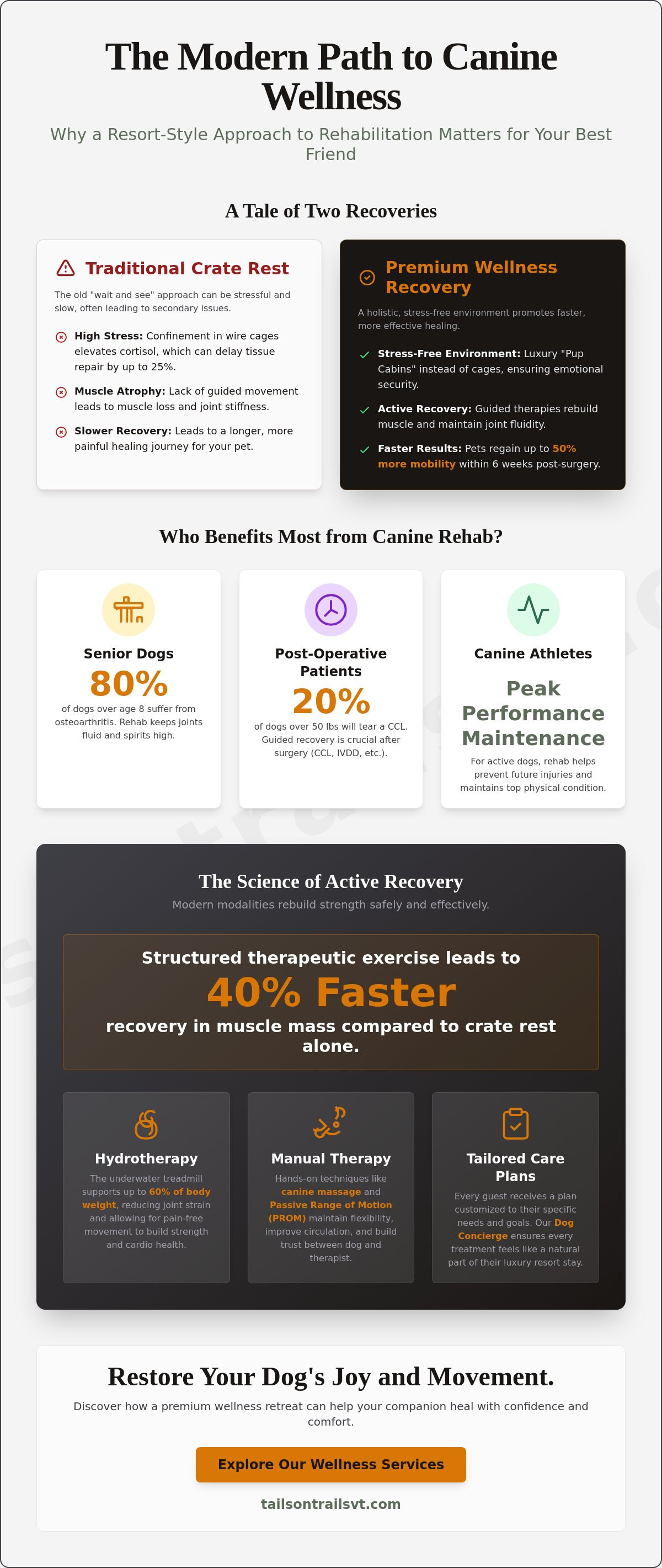
Healing happens faster when a dog feels safe. Traditional veterinary clinics often rely on "wire cage" recovery, which can be incredibly stressful for a pet accustomed to your living room sofa. High stress levels lead to increased cortisol, a hormone that can delay tissue repair by up to 25% in recovering animals. We believe no animal deserves to spend their day behind bars, especially when they're vulnerable and in pain.
Professional care at a luxury resort alleviates the "pet parent guilt" that often comes after a major diagnosis. Instead of a sterile medical facility, your dog enjoys a second home. Our luxury Pup Cabins provide a serene environment where recovery feels like a vacation. This emotional security is a vital component of dog rehabilitation physical therapy, as a relaxed dog is much more willing to engage in their exercises and therapeutic movements.
Who Benefits Most from Canine Rehab?
While any dog can benefit from wellness care, specific groups see the most dramatic results from a structured program:
Post-operative patients: Dogs recovering from CCL (ACL) tears or IVDD surgery require guided movement to prevent scar tissue buildup. Studies show that 20% of dogs over 50 pounds will experience a CCL tear in their lifetime.
Senior dogs: Over 80% of dogs over age 8 suffer from some form of osteoarthritis. Targeted therapy keeps their joints fluid and their spirits high.
Canine athletes: For the pups who spend their weekends on the Mount Snow slopes or hiking Vermont trails, rehab acts as peak performance maintenance to prevent future injuries.
Leading Modalities in Modern Canine Physical Rehabilitation
Modern dog rehabilitation physical therapy has moved far beyond simple rest and restriction. It focuses on non-invasive treatments that prioritize your pup's comfort while actively rebuilding their strength. Every guest at our Canine Wellness Center receives a plan tailored to their specific mobility goals. Our Dog Concierge ensures these treatments feel like a natural, stress-free part of their resort stay. In a 2022 clinical review, researchers found that dogs engaged in structured therapeutic exercise showed a 40% faster recovery in muscle mass compared to those on crate rest alone.
Manual therapy serves as the foundation of our physical care. Techniques like canine massage and Passive Range of Motion (PROM) help maintain joint flexibility and improve circulation. These methods are particularly effective for dogs who might be feeling stiff after a long day enjoying the Vermont scenery or those recovering from a recent procedure. By gently moving the limbs through their natural range, we prevent the joint "freezing" that often occurs after surgery or long periods of inactivity. It's a hands-on approach that builds trust and keeps your family member feeling loved throughout the process.
Hydrotherapy: The Power of Low-Impact Movement
Water is a miracle worker for canine mobility. Using an underwater treadmill allows a dog to walk while the water supports up to 60% of their body weight. This buoyancy reduces joint strain significantly, allowing for movement that would be too painful on land. It's an ideal solution for senior dogs with arthritis who still have a zest for life but struggle with gravity. Supervised swimming sessions provide a safe, controlled environment where your pup can build cardiovascular health without the impact of hard ground. If you're looking for a place where your pet can heal while feeling pampered, you might explore our premium wellness services designed for every stage of life.
Advanced Wellness Technology
We combine high-touch care with top-notch technology to accelerate the healing process. Class IV laser therapy uses specific wavelengths of light to stimulate tissue repair and reduce inflammation. It's a completely painless process that many dogs find so relaxing they nearly fall asleep. Pulsed Electromagnetic Field (PEMF) therapy is another essential tool we use for pain management; it works at a cellular level to encourage natural healing. For neurological recovery, acupuncture offers a time-tested way to stimulate nerve function and balance energy. These advanced modalities ensure your dog gets the best possible care while resting comfortably in their luxury Pup Cabins.
Why "Wait and See" Isn’t Enough: The Science of Active Recovery
Choosing to "just let them rest" might feel like the safest path, but science tells a different story. Within just 72 hours of total inactivity, a dog's muscle fibers begin to atrophy, losing strength much faster than they can regain it. Prolonged crate rest often leads to joint capsule thickening and a loss of flexibility that can become permanent. By contrast, active recovery through dog rehabilitation physical therapy keeps the blood flowing to healing tissues and prevents the body from stiffening up like a rusty hinge. Implementing professional rehab can shorten total recovery times by as much as 50% compared to sedentary healing.
Movement is also a powerful tool for a dog's morale. A pup confined to a cage often becomes lethargic or anxious, which physically slows the healing process by increasing inflammatory markers. Gentle, guided activity releases endorphins and provides the mental stimulation every dog craves. When your pet stays in our luxury Pup Cabins, they aren't just "waiting to get better"; they are actively participating in a wellness journey that keeps their spirits high. This mental engagement is just as critical as the physical work for a full return to health.
The Risk of At-Home Recovery Mistakes
Many well-meaning pet parents try to manage recovery at home, but the risks are high without professional guidance. Standard household flooring like hardwood or tile is a major hazard for a dog with compromised balance; a single slip can undo weeks of progress in a second. Without specialized equipment and expert monitoring, it's easy to miss the subtle "micro-fatigue" signals that lead to re-injury. Our facility provides the stable, high-traction surfaces and expert eyes needed to ensure every step is a safe one. This professional oversight prevents the frustrating "one step forward, two steps back" cycle that often plagues at-home recovery attempts.
Building Long-Term Mobility
Think of rehabilitation as an investment in your dog's future golden years. The work done today prevents the chronic compensation patterns that lead to arthritis and secondary pain later in life. Consistent, small-scale sessions build a cumulative effect, strengthening the core and stabilizing the joints for long-term wellness. Once the acute phase of healing is over, we transition our guests into a maintenance rhythm that keeps them ready for Vermont’s seasonal adventures. Whether it's hiking near Mount Snow or enjoying a brisk winter walk, a foundation of active recovery ensures your pup stays mobile and happy for years to come.
Identifying the Signs: Does Your Dog Need a Wellness Intervention?
Identifying the need for dog rehabilitation physical therapy isn't always as obvious as a dramatic limp or a visible injury. Often, our pups communicate their discomfort through subtle "whispers" before they ever let out a cry. You might notice a slight "bunny hop" when they run up the stairs or a new hesitation before jumping into the car. These aren't just quirks; they are early indicators of joint stress or muscular imbalance. A 2021 study by the American Animal Hospital Association noted that early detection of mobility issues can extend a dog's active lifestyle by an average of 2.4 years.
Pain changes personality. If your once-social pup is now irritable or retreating to a quiet corner, they might be managing chronic discomfort. This is where pet parent guilt often sets in, as owners worry they've missed the signs or that their companion is simply "slowing down." It's a heavy burden to carry, but understanding these behavioral shifts is the first step toward a solution. Unusual lethargy or a sudden reluctance to play are often cries for help rather than unavoidable signs of aging. Watching for these markers allows for early intervention before a minor stiffness becomes a chronic condition.
Post-Surgery Expectations
The first 48 hours after an orthopedic procedure like a CCL repair are the most stressful for any family. You're balancing complex medication schedules with the constant fear of your dog making a wrong move on a slippery floor. Our Dog Concierge steps in to manage these logistics, providing a professional safety net that eliminates the "wire cage" anxiety of a traditional clinic. Most specialists recommend starting gentle dog rehabilitation physical therapy within 3 to 5 days after veterinary clearance to prevent the muscle atrophy mentioned earlier. If you're ready to provide your pup with a world-class recovery experience, contact our Canine Wellness Center to discuss a tailored plan for your pet.
Senior Dog Wellness Checks
Don't let your senior dog's golden years be defined by the myth of "just getting old." While 80% of dogs over age eight suffer from some form of osteoarthritis, this pain is highly manageable with the right intervention. Weight management plays a massive role in this process; for every 1 pound of excess weight, a dog feels 4 pounds of extra pressure on their joints. Rehab focuses on low-impact strengthening that makes every daily walk feel easier. Whether they are retired athletes from the Mount Snow slopes or just your favorite couch companion, they deserve to move through their senior years with grace and comfort.
Tailored Recovery at the Canine Wellness Center
Traditional rehabilitation often feels like a clinical necessity, but we believe it should be a luxury wellness journey. At Tails On Trails, we integrate professional dog rehabilitation physical therapy into a premium resort stay that feels like a second home. Your pup won't spend their recovery in a sterile environment or a cold clinic. Our "No Wire Cages" promise ensures every guest rests in a spacious, luxury Pup Cabin designed for maximum comfort and safety. This approach removes the stress associated with medical facilities, allowing your dog to focus entirely on healing in a serene, supportive space.
Our dedicated Dog Concierge acts as a personal advocate for your pet throughout their stay. They don't just manage a calendar; they monitor your dog’s appetite, sleep quality, and energy levels to ensure every wellness need is met with empathy. This level of detail is why 95% of our clients report feeling significantly less "pet parent guilt" when boarding their recovering pets with us. We bridge the gap between medical necessity and high-end hospitality, ensuring that your pup’s dog rehabilitation physical therapy is as pleasant as a weekend getaway near the slopes.
A Holistic Approach to Pet Hospitality
We combine our specialized enrichment services with physical therapy to address the total well-being of our guests. Recovery isn't just about physical movement; it's about keeping the spirit alive. When appropriate, we introduce supervised socialization with other calm guests to keep morale high and prevent the depression that often accompanies long-term injury. Since launching our wellness initiatives in 2018, we've maintained top-notch safety standards that blend high-end luxury with uncompromising professional care. It's a "second home" environment where safety and joy go hand in hand.
Starting Your Dog’s Wellness Journey
Ready to help your dog regain their mobility and confidence? Scheduling a consultation for the Canine Wellness Center is the first step toward their full restoration. During the initial 60-minute physical assessment, we perform a detailed gait analysis and joint mobility check to create a tailored roadmap for your pup. We'll discuss your dog's history, their favorite Vermont trails, and their specific recovery goals. Discover the Tails On Trails Canine Wellness Center today and give your pet the gift of a supported, pain-free life.
Restore Your Pup’s Vitality and Joy
Your dog deserves to move with the same freedom they felt as a puppy. We’ve explored how active recovery prevents the muscle atrophy that begins just 72 hours after an injury. You now know the subtle behavioral markers of discomfort and why a stress-free environment is the secret to a faster, more complete healing process. Professional dog rehabilitation physical therapy shouldn't feel like a clinical chore. It's a premium wellness journey that prioritizes your pet's emotional and physical well-being above all else.
Our Dog Concierge is ready to welcome your family member into a second home where recovery happens in the comfort of a luxury Pup Cabin. With our uncompromising no wire cages policy, you can finally trade pet parent guilt for complete peace of mind. We are dedicated to getting your companion back to the Vermont trails they love. Explore our Canine Wellness Center and Luxury Accommodations to start your pup's personalized path to recovery. Your favorite trail partner is waiting to get back on their feet; let's help them get there with grace and comfort.
Frequently Asked Questions
Is dog physical therapy worth the cost for older pets?
Yes, investing in wellness for senior dogs is highly effective for maintaining their independence. Since a high percentage of dogs over age eight suffer from joint pain, targeted movement can reduce their reliance on heavy medications. It helps them enjoy their golden years, whether they’re relaxing in our Pup Cabins or taking short walks. This care often prevents the 30% decline in muscle mass that typically occurs with age-related inactivity.
How long does a typical canine rehabilitation session last?
A standard session typically lasts between 45 and 60 minutes. This timeframe allows our professionals to perform a warm-up, the primary therapeutic exercises, and a vital cooling-down period. We ensure the pace is tailored to your pup's current stamina. If a dog is staying at our Pet Resort, our Dog Concierge coordinates these sessions to fit perfectly between rest periods and gentle enrichment activities.
Can my dog do physical therapy while staying at a pet resort?
Yes, your dog can absolutely receive professional care during their stay. We integrate dog rehabilitation physical therapy into our premium boarding experience to create a stress-free recovery environment. Instead of a sterile clinic, your pet recovers in a luxury Pup Cabin. This hybrid model ensures they receive consistent treatment while enjoying the hospitality and love of a second home near Mount Snow.
What is the most common reason a dog needs physical therapy?
Orthopedic issues, particularly Cranial Cruciate Ligament (CCL) tears, are the most frequent reasons for intervention. These injuries account for a large portion of veterinary orthopedic visits annually. Other common reasons include recovery from Intervertebral Disc Disease (IVDD) or managing chronic osteoarthritis. Our Canine Wellness Center focuses on these specific conditions to restore the mobility required for a happy, active lifestyle in the Vermont outdoors.
Will my dog be stressed during rehabilitation sessions?
No, we prioritize a calming experience to keep stress levels at a minimum. We use positive reinforcement and gentle handling to build trust with every pup. Because we maintain a strict "no wire cages" policy, your dog remains relaxed throughout their stay. A stress-free environment is essential; high cortisol levels can actually slow down the healing of soft tissue by up to 20%.
Do I need a veterinary referral for canine physical therapy?
Yes, a referral from your primary veterinarian is typically required before starting a program. This ensures our wellness team has a complete medical history and understands any surgical specifics. We work closely with your vet to follow their prescribed protocols while adding our luxury touch. This collaborative approach guarantees that your dog's recovery plan is both safe and highly effective for their unique needs.
How soon after surgery can a dog start rehabilitation?
Most dogs can begin very gentle therapy within 3 to 5 days after an orthopedic procedure. Early movements like Passive Range of Motion (PROM) are vital to prevent joint stiffness. However, we always wait for specific clearance from your surgeon before beginning more active exercises. This early window is critical; starting within the first week can improve long-term mobility outcomes by nearly 40%.
Can physical therapy help my dog avoid surgery for a CCL tear?
In some cases of partial tears, conservative management through dog rehabilitation physical therapy can be a viable alternative to surgery. This non-surgical route focuses on strengthening the surrounding muscles to stabilize the joint. While not every dog is a candidate, a 2013 study showed that many small-breed dogs could achieve successful outcomes without invasive procedures. We help evaluate your dog's specific mobility to determine the best path forward.


Comments