Signs Your Dog Needs Physical Therapy: A Guide to Canine Wellness and Rejuvenation
- Jul 21
- 12 min read
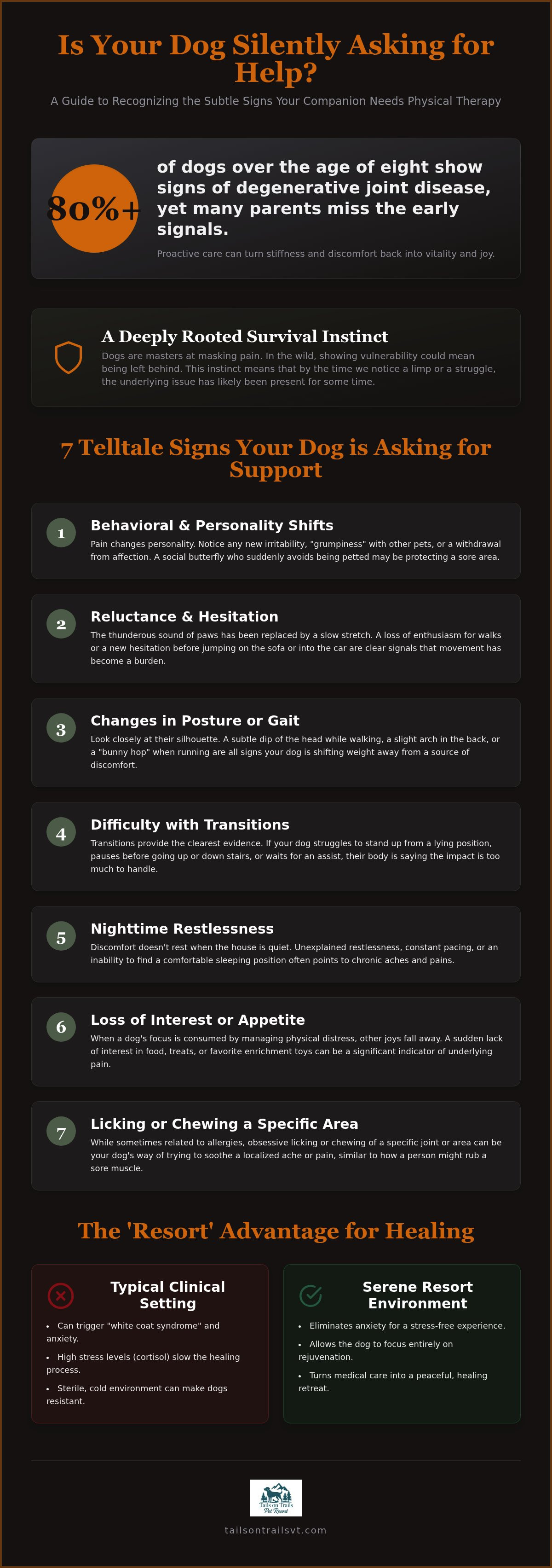
Over 80% of dogs over the age of eight show signs of degenerative joint disease, yet many pet parents miss the subtle signals that their beloved companion is struggling. It is deeply painful to watch a once-vibrant family member hesitate at the stairs or lose their spark for morning walks. You might feel a pang of guilt for not noticing the discomfort sooner, or perhaps you fear that invasive surgeries are the only solution left for your aging friend. Identifying the early signs your dog needs physical therapy is the first step toward moving away from that worry and toward a path of genuine rejuvenation.
We believe that your pet deserves the same level of care and hospitality that you would expect at a high-end resort. This guide will help you decode your dog's behavioral shifts and physical cues, showing you how professional rehabilitation in a serene environment can restore their mobility and joy. We will explore the specific indicators that suggest it is time to seek specialized wellness care, ensuring your senior pet enjoys a pain-free, active life once again. From subtle changes in their gait to a new reluctance to play, you will learn exactly what to look for to keep your companion feeling their absolute best.
Table of Contents
The Subtle Language of Discomfort: Understanding Canine Rehabilitation
Our dogs are the heart of our homes, offering a level of devotion that is truly unmatched. Because they are so focused on our happiness, they often become masters at masking their own physical struggles. This stoicism is a deeply rooted survival instinct; in the wild, showing vulnerability could mean being left behind by the pack. In our living rooms, it means that by the time we notice a limp or a struggle to stand, the underlying issue has likely been present for some time. Recognizing the early signs your dog needs physical therapy isn't about looking for dramatic injuries, but rather observing the quiet shifts in their daily rhythm.
Many pet parents dismiss these changes as their companion simply "slowing down" due to age. However, a loss of enthusiasm for a morning walk or a slight hesitation before jumping onto the sofa is rarely just a clock ticking. It is often a clinical mobility issue that can be addressed through proactive care. Learning to spot the early signs your dog needs physical therapy allows you to intervene before simple stiffness turns into a significant loss of independence. Instead of adopting a "wait and see" attitude that allows discomfort to settle in, choosing a path of proactive wellness ensures your dog remains an active participant in your family's adventures for years to come.
What Exactly is Canine Physical Therapy?
Canine physical therapy is a sophisticated blend of science-based movement and specialized modalities designed to support the body’s natural ability to heal. This holistic approach focuses on the entire animal, using targeted exercises to strengthen supporting muscles and improve joint health. It moves beyond basic recovery, seeking to restore full function and enhance the overall quality of life for dogs of all ages. Canine physical therapy serves as a gentle, non-invasive path to lasting vitality and physical freedom.
Why the 'Resort' Setting Matters for Recovery
Healing is as much about the spirit as it is about the body. Traditional clinical environments often trigger "white coat syndrome," where the sterile smells and cold surfaces cause a dog's stress levels to spike. High cortisol levels from stress actually slow down the healing process and can make a dog resistant to movement. By providing care within a serene, domestic-style resort, we eliminate that anxiety. A stress-free, quiet environment allows your dog to focus entirely on their rejuvenation journey, turning what could be a scary medical appointment into a peaceful stay at a wellness sanctuary.
7 Telltale Signs Your Dog is Asking for Support
While your dog might not be able to verbalize their pain, they speak through their actions every single day. Recognizing the subtle signs your dog needs physical therapy requires a keen eye for the deviations in their normal, happy routine. Perhaps the once-thunderous sound of paws hitting the floor when you reach for the leash has been replaced by a slow, hesitant stretch. This reluctance to participate in formerly joyful rituals is one of the most heartbreaking indicators that movement has become a burden rather than a gift.
Watch closely for changes in their silhouette. A subtle dip of the head while walking or a slight arch in the back can signal that your dog is trying to shift weight away from a source of discomfort. Transitions often provide the clearest evidence of a problem. If your companion now pauses before hopping into the car or waits for an assist to get onto the sofa, their body is telling you that the impact of those movements is no longer manageable. Even nighttime can bring clues. Unexplained restlessness, constant pacing, or an inability to find a comfortable sleeping position often points to chronic aches that don't rest even when the house is quiet.
Behavioral Shifts: When Your Social Butterfly Withdraws
Pain changes personality. You might notice a sudden irritability or "grumpiness" with other household pets that was never there before. If your social butterfly starts avoiding physical affection or "shrinks" away when you reach out to pet them, they are likely protecting a sore area. This withdrawal can even extend to their favorite activities. A loss of appetite or a lack of interest in high-value enrichment toys often indicates that their focus is entirely consumed by managing their own physical distress.
Physical Red Flags in Movement and Stride
Look for the "bunny hop" during their outdoor play; this is when a dog uses both back legs together to propel themselves forward, often to compensate for hip or knee weakness. You might also hear the faint sound of "scuffing" as their paws drag slightly on the pavement. Over time, these compensations lead to muscle atrophy. If one hip or shoulder looks noticeably "thinner" or less defined than the other, it is a clear sign that they are favoring one side of their body. Our Canine Wellness Center is specifically designed to identify these imbalances and restore the fluid, graceful movement your pet once enjoyed. Identifying these signs your dog needs physical therapy early can make all the difference in their long-term comfort.
Beyond Injury: Who Benefits from a Canine Wellness Center?
A common misconception is that rehabilitation is reserved for dogs recovering from traumatic accidents or major surgeries. In reality, our Canine Wellness Center serves as a comprehensive sanctuary for any dog seeking a more vibrant, comfortable life. We move beyond the clinical "fix it" mentality, offering a hospitality-driven approach to wellness that prioritizes your dog's long-term joy. Whether your companion is a playful puppy, a high-performing athlete, or a cherished senior, they can find a path to rejuvenation within our serene resort environment.
Our "Senior Sanctuary" program is specifically designed to help aging dogs navigate their golden years with grace. With over 80% of dogs over the age of eight showing signs of degenerative joint disease, specialized wellness care becomes an essential part of their lifestyle. We also focus heavily on weight management. Since nearly half of all companion animals are affected by obesity, providing low-impact exercise is a critical way to protect their joints and extend their healthspan. By the time you notice the most obvious signs your dog needs physical therapy, a proactive wellness plan could have already mitigated much of the underlying strain.
The Power of Preventative 'Pre-hab'
We believe in identifying the "weak links" in a dog’s movement before an actual injury occurs. This is especially vital for breeds prone to hip or back issues, where building core strength can act as a protective suit of armor. Proactive wellness care can significantly extend a dog's active, pain-free years by addressing subtle mobility imbalances before they lead to debilitating conditions. This preventative approach ensures your dog stays on the trails and off the surgery table.
Support for Chronic Conditions
For dogs living with chronic conditions like Hip Dysplasia, IVDD, or Degenerative Myelopathy, professional rehabilitation offers a way to manage symptoms without immediately jumping to invasive procedures. These therapeutic approaches are designed to complement traditional veterinary medicine, providing a non-invasive layer of support that focuses on comfort and function. Our goal is to maintain your pet's independence for as long as possible, ensuring they remain a happy, mobile member of the family. Recognizing the early signs your dog needs physical therapy allows us to start these supportive therapies sooner, maximizing their effectiveness and your pet's comfort.
Once you've identified the subtle
signs your dog needs physical therapy
, the journey toward restoration should feel like a welcoming invitation. We don't believe in cold, clinical waiting rooms or sterile environments that trigger anxiety. Instead, your dog's rejuvenation begins with a comprehensive initial wellness evaluation. This is a deep dive into their movement patterns, daily habits, and overall lifestyle. We look at the whole dog, not just a single joint or limb. This holistic perspective allows us to create a bespoke plan tailored specifically to your dog’s unique personality and physical requirements. Every dog is an individual; their path to wellness should reflect that. Our Pet Concierge serves as the heart of this experience. They coordinate every aspect of your dog's care, ensuring that comfort and emotional security are prioritized alongside physical goals. This is a high-touch service model where your dog is treated as a cherished family member rather than a patient. We carefully balance physical exercise with mental enrichment and dedicated relaxation periods. This ensures that your dog’s mind remains engaged and their spirit stays high while their body recovers. Healing is a comprehensive process that requires a delicate touch and a professional eye.
Innovative Modalities for Modern Dogs
We utilize a range of sophisticated tools to support your dog’s recovery. Therapeutic exercise isn't just a walk; it involves specific movements that target specific imbalances in their biomechanics. Manual therapy brings the healing power of specialized canine massage into the mix, helping to soothe sore muscles and improve flexibility. For those needing advanced support, laser therapy provides a non-invasive pain management option that works at the cellular level to reduce inflammation and speed up the healing process. These modern techniques provide a drug-free way to manage discomfort and restore fluid movement.
The Importance of Environment and Hospitality
A dog’s surroundings directly impact their ability to recover. Our facility features climate-controlled accommodations to ensure maximum comfort regardless of the season. We offer a mix of supervised group play for social enrichment and focused individual therapeutic sessions for targeted care. Most importantly, we stand by our stress-free guarantee. We avoid standard industry containment methods because we believe that a relaxed dog is a dog that heals faster. To start your pet's journey toward vitality, visit our Canine Wellness Center and discover a new standard in pet care. By framing the recovery process through the lens of hospitality, we ensure that every session feels like a restorative retreat rather than a medical necessity.
Choosing a Path to Vitality: Next Steps for Your Dog
Taking the first step toward your dog’s recovery is an act of profound love. Once you have identified the signs your dog needs physical therapy, the next move is to initiate a conversation with your veterinarian. Approach this dialogue as a partnership focused on your pet's long-term quality of life. Ask about specific mobility goals and how a specialized wellness environment can support their clinical recommendations. By weaving wellness care into their existing daycare or boarding schedule, you remove the stress of extra travel and clinical visits. Your dog simply enjoys a day of play and enrichment, punctuated by targeted sessions that help them feel their best.
Preparing for a first stay at a wellness resort involves more than just packing a favorite toy. Use a simple "Wellness Checklist" to ensure a smooth transition for your pet. Include details about their favorite sleeping positions, any specific "no-touch" zones, and their most motivating treats. This information helps our hospitality team create an environment where your dog feels completely at home. The long-term benefits of this dedicated care are clear. You aren't just managing a condition; you are investing in a happier, more mobile family member who can continue to explore the world by your side for years to come.
Finding the Right Fit for Your Dog's Personality
Choosing the right environment is crucial for both emotional and physical healing. Ask potential centers about their philosophy on containment and their staff-to-guest ratio. A resort approach beats a standard kennel because it prioritizes the dog's mental state, reducing the stress that can often hinder physical progress. Look for professional, empathetic caregivers who view your pet as an individual guest rather than a number. This high-touch care ensures that every stretch and exercise is performed with patience and genuine affection. Recognizing the signs your dog needs physical therapy is just the beginning; the quality of the environment determines how quickly they return to their joyful selves.
Your Dog’s Brightest Future Starts Today
Mobility is a key pillar of canine happiness. It is the foundation of every wagging tail, every morning stretch, and every enthusiastic greeting at the door. We are committed to a life well-lived for every guest who enters our doors, focusing on a future filled with vitality and strength. Your dog does not have to live with the limitations of age or injury when specialized, compassionate care is available. Every dog deserves to feel the wind in their fur and the grass under their paws without pain. Take the first step toward their rejuvenation today. Discover the Canine Wellness Center at Tails On Trails and see how we can restore the spring in your companion's step.
A Future of Fluidity and Freedom
Your dog's golden years or recovery period should be defined by comfort and care, not clinical stress. By staying vigilant and noticing the subtle signs your dog needs physical therapy, you've already taken the most important step toward their rejuvenation. We've explored how a blend of specialized movement and a serene, domestic-style environment can turn "slowing down" back into "stepping out." Whether your companion is a seasoned athlete or a senior seeking a sanctuary, our hospitality-trained professionals are here to guide their journey.
Our Specialized Canine Wellness Center offers a stress-free resort environment where healing feels like a vacation. We prioritize your pet's emotional security as much as their physical strength, ensuring they feel like a cherished guest every moment they're with us. It's time to move past the worry of invasive options and embrace a path of vitality. Your pet's comfort is our highest calling, and we're ready to welcome them into a space designed for their peace of mind.
Book a Wellness Consultation for Your Best Friend today and let us help your companion rediscover the joy of movement. Their brightest, most active days are still ahead of them.
Common Questions About Canine Wellness and Rejuvenation
Is physical therapy only for dogs who have had surgery?
Not at all. While post-operative care is essential for a full recovery, many of our guests visit the Canine Wellness Center for age-related mobility support or athletic conditioning. We focus on a proactive approach to health, helping senior pets navigate their golden years with greater ease and helping active dogs maintain their peak physical form. It is a versatile tool for any dog seeking a more vibrant, comfortable lifestyle.
How can I tell if my dog is in pain if they aren't crying or limping?
Dogs are masters of stoicism and rarely vocalize their discomfort until it becomes overwhelming. Instead, you should look for subtle behavioral shifts such as a new reluctance to climb stairs, a slight arch in their back, or a sudden withdrawal from social interaction. These quiet changes in daily rhythm are often the most reliable signs your dog needs physical therapy to restore their natural joy and comfort.
What are the most common signs of hip dysplasia in older dogs?
In senior dogs, hip dysplasia often manifests as a "bunny hop" gait, where they use both hind legs together to propel themselves forward. You may also notice they take longer to stand up after a nap or show significant muscle thinning in their hindquarters. These physical red flags indicate that the joints are struggling to support their weight, making specialized movement therapy a vital part of their care plan.
Can my dog participate in daycare while receiving physical therapy?
Yes, and we highly recommend it. We specialize in integrating rehabilitation sessions into our regular Doggy Daycare and overnight boarding routines. This seamless approach allows your pet to enjoy the excitement of social play and enrichment while receiving the targeted physical support they need. It turns a necessary health service into a rewarding part of their stay at our resort, keeping their spirits high.
How long does it take to see results from canine rehabilitation?
Every rejuvenation journey is unique to the individual guest. While some dogs show an immediate boost in their mood and energy levels after just one or two sessions, most pet parents begin to see significant, lasting improvements in mobility within four to six weeks. Consistency is the key to success, as it allows the body to gradually build strength and flexibility in a safe, controlled manner.
Is canine physical therapy stressful for an anxious dog?
We go to great lengths to ensure our environment is the opposite of a clinical setting. By avoiding the sterile smells and cold surfaces of a traditional office, we eliminate the triggers for "white coat syndrome." Our serene, domestic-style resort is designed to feel like a home away from home. This stress-free atmosphere helps anxious dogs relax, which is a critical component of the healing and recovery process.
What should I look for in a professional canine wellness center?
Prioritize a facility that offers a hospitality-first approach and a commitment to a stress-free environment. You should look for specialized equipment, climate-controlled accommodations, and a team of caregivers who treat your dog as a family member. A high-touch service model, where a Pet Concierge coordinates care and comfort, ensures that your dog’s emotional well-being is never sacrificed for their physical health goals.
Can physical therapy help my dog lose weight safely?
It is one of the most effective ways to manage a dog's weight without putting undue strain on their body. Because nearly half of all companion animals struggle with obesity, we use low-impact exercises that burn calories while protecting sensitive joints. This controlled movement is much safer than traditional high-impact play, allowing your dog to reach their target weight while actually improving their overall musculoskeletal health.


Comments