The Ultimate Guide to Canine Wellness: A Holistic Approach for 2026
Updated: May 2
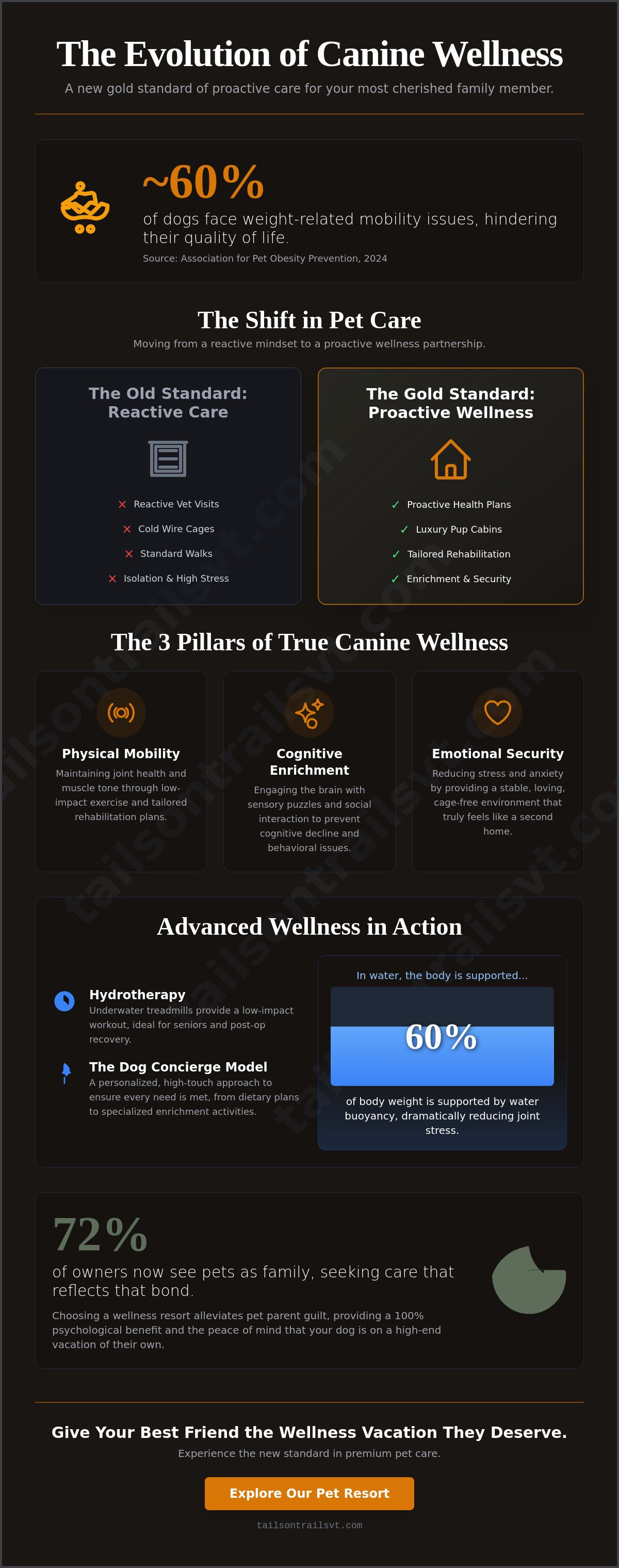
What if the secret to your dog’s longevity isn’t found in a pill bottle, but in the environment where they play, rest, and recover? It is a heavy burden to watch a senior companion hesitate at the stairs, especially since the Association for Pet Obesity Prevention noted in 2024 that nearly 60% of dogs face weight related mobility issues. You already understand that your dog is a family member who deserves more than a cold wire cage and a standard walk. True canine wellness in 2026 has evolved into a sophisticated blend of physical rehabilitation and high end hospitality that treats the soul as much as the body.
This guide will show you how to integrate mental enrichment and premium care into a comprehensive strategy that prioritizes your pup’s happiness. We will provide a clear roadmap for improving senior mobility and explain why cage free environments, like our signature Pup Cabins, are the new gold standard for health. You’ll learn exactly how to transition from basic care to a holistic lifestyle that ensures your best friend thrives for years to come.
Key Takeaways
Shift from reactive medical visits to a proactive, multi-dimensional vision of health that prioritizes your pup’s long-term vitality and comfort.
Understand how professional rehabilitation and physical therapy can restore mobility for seniors and ensure a seamless recovery for active dogs.
Discover why cognitive enrichment is a psychological necessity that transforms simple play into a powerful tool for preventing behavioral issues.
Explore how the "Dog Concierge" model provides a personalized, high-touch approach to canine wellness for the most discerning pet parents.
Learn how to select a premium pet resort that integrates restorative health services with luxury accommodations for a true home-away-from-home experience.
Table of Contents What is Canine Wellness? A Holistic Vision for 2026 Restoring Mobility: The Science of Canine Rehabilitation and Physical Therapy Cognitive Enrichment: Why Mental Stimulation is Essential for Canine Health The Dog Concierge Model: Premium Care and Preventative Management Integrating Wellness into the Pet Resort Experience
What is Canine Wellness? A Holistic Vision for 2026
Canine wellness has evolved far beyond the occasional trip to the vet for a booster shot. By 2026, the standard for pet care has shifted toward a proactive, multi-dimensional philosophy that prioritizes quality of life at every stage. This approach moves the industry away from reactive "sick care" and into a dedicated era of "well care." Recent data from industry analysts suggests that 72 percent of pet owners now view their dogs as full family members, demanding a sophisticated, concierge-level approach to their health. This modern perspective integrates holistic dog health practices with high-end hospitality to ensure every pup thrives rather than just survives.
True canine wellness rests on three essential pillars that support a senior dog’s longevity:
Physical Mobility: Maintaining joint health and muscle tone through low-impact exercise and tailored movement plans.
Cognitive Enrichment: Engaging the brain with sensory puzzles and social interaction to ward off cognitive decline.
Emotional Security: Reducing cortisol levels by providing a stable, loving environment that mirrors the comforts of home.
The shift toward this lifestyle means pet parents are no longer looking for a place to "store" their pets. They're seeking partners who understand that a dog's golden years require specialized attention. Whether it's managing a stiff gait or ensuring a pup feels safe in a new environment, the focus is now on total life enhancement.
The Evolution of the Wellness Exam
The traditional annual exam is being replaced by comprehensive health screenings that look at the whole animal. Veterinary professionals now incorporate detailed behavioral assessments to catch early signs of anxiety or discomfort that physical tests might miss. These evaluations are essential for senior pets, as changing seasons and environmental factors can affect joint stiffness and activity levels. Canine wellness is a lifestyle commitment to proactive vitality through tailored care, environmental enrichment, and constant emotional support.
Alleviating Pet Parent Guilt Through Professional Care
Leaving a senior dog behind while traveling often triggers intense pet parent guilt. Professional wellness centers solve this by creating a "second home" environment that replaces the outdated "kennel" mindset. No animal deserves to be in a wire cage all day; instead, modern pet resorts offer luxury Pup Cabins and dedicated Dog Concierge services. Choosing a cage-free resort provides a 100 percent psychological benefit for owners, who can enjoy their time away knowing their pet is experiencing a high-end vacation. This transition to a resort standard ensures that your dog receives premium care in a setting rooted in love, play, and genuine compassion.
Restoring Mobility: The Science of Canine Rehabilitation and Physical Therapy
Every dog deserves to move with grace and comfort, especially during their golden years in the Wilmington area. Physical therapy isn't just a luxury for elite athletes; it's a vital component of canine wellness that bridges the gap between basic survival and a thriving, active life. When a senior dog regains the ability to climb onto their favorite sofa or navigate the stairs of their Pup Cabin, their mood shifts instantly. We see a spark return to their eyes because mobility equals independence. Improved physical function reduces the frustration and anxiety that often accompany aging, allowing your pet to remain a happy, engaged member of the family.
Professional supervision is the cornerstone of safe physical conditioning. You shouldn't DIY a rehabilitation program for an aging pet. Certified practitioners understand the delicate balance of a senior dog's anatomy and can identify compensatory movements that a layperson might miss. Without expert guidance, a well-meaning owner might accidentally cause a secondary injury, such as a muscle strain in a healthy limb that's overworking to protect a weak one. A tailored plan ensures that every stretch and step builds strength without risking a setback.
Advanced Modalities in Canine Physical Therapy
Hydrotherapy remains a gold standard for low-impact exercise. Underwater treadmills allow dogs to walk while water buoyancy supports up to 60% of their body weight, which significantly reduces joint stress. For managing chronic pain, cold laser therapy and PEMF (Pulsed Electromagnetic Field) mats stimulate cellular repair without the need for invasive procedures. Therapeutic ultrasound uses high-frequency sound waves to penetrate deep tissues, which increases local blood flow and accelerates the healing of damaged tendons and ligaments. These technologies provide a premium level of care that keeps your pet feeling their best.
Support for Senior Dogs and Mobility Challenges
Arthritis affects nearly 80% of dogs over the age of 8, yet the early signs are often subtle. You might notice your pet taking longer to stand up after a nap or showing a slight hesitation before jumping into the car. Addressing these issues early through customized strength training helps maintain critical muscle mass, preventing the rapid decline often seen in sedentary seniors. Beyond exercise, environmental modifications are essential for a complete canine wellness strategy. Simple changes include:
Installing non-slip rugs on hardwood floors to prevent "Bambi" moments.
Using raised food and water bowls to reduce neck and back strain.
Providing orthopaedic bedding that supports aging joints during rest.
If you are planning a trip and want your senior pet to enjoy a stress-free stay with experts who prioritize their comfort and safety, our premium pet resort offers the specialized care and peace of mind your family member deserves.
Cognitive Enrichment: Why Mental Stimulation is Essential for Canine Health
Enrichment isn't a luxury or a way to pass the time; it's a fundamental psychological requirement for canine wellness. For our senior companions in Wilmington, mental engagement is just as vital as physical mobility. When a dog's brain isn't challenged, they don't just get bored. They suffer. A lack of mental stimulation often manifests as destructive chewing, excessive barking, or repetitive pacing. A 2018 study published in the journal Scientific Reports found that older dogs who engaged in regular cognitive tasks showed significantly better memory retention than those who didn't. By keeping their minds active, we help slow the progression of age-related cognitive decline.
Every breed brings a unique history to the table. A Golden Retriever might find fulfillment in carrying a soft toy, while a Beagle's world is defined by their nose. Scent work is particularly powerful because a dog's nose has up to 300 million olfactory receptors. For comparison, humans have about 6 million. Engaging these specific instincts through sensory-based activities reduces cortisol levels and promotes a deep sense of contentment. Structured socialization in a professional daycare setting also plays a massive role. It builds confidence, especially for dogs who might have become more withdrawn with age. It's about providing a second home where every interaction is intentional and every activity is tailored to their specific personality. For those seeking to further enhance this development through expert behavioral coaching, you can learn more about specialized training programs that promote long-term mental wellness.
Designing a Daily Enrichment Routine
Creating a balanced day for your pet doesn't have to be complicated. It starts with these three steps:
Step 1: Assessing breed-specific needs. Acknowledge whether your dog is a sight hound, a scent hound, or a worker to choose the right "job" for them.
Step 2: Integrating puzzle feeders. Ditch the standard bowl. Using slow-feeders or scent-work mats turns mealtime into a 20-minute brain workout.
Step 3: Scheduling supervised group play. Regular interaction with a consistent pack at a premium Pet Resort fosters social development and emotional security.
The "No Wire Cages" Philosophy
We believe no animal deserves to spend their day behind cold bars. Long-term confinement in wire cages is proven to spike stress hormones. These spikes can lead to long-term health complications for senior pets. This is why our philosophy centers on open, stress-free environments. Our luxury accommodations, or Pup Cabins, are designed to feel like a cozy bedroom rather than a kennel. This resort-style approach ensures your dog feels safe and pampered. When a pet feels secure, their heart rate stabilizes and their sleep quality improves. It's the difference between merely storing a pet and providing a high-touch hospitality experience that honors their canine wellness.
The Dog Concierge Model: Premium Care and Preventative Management
Your senior dog deserves more than a standard boarding stay. They need a lifestyle manager who understands their history. We call this the Dog Concierge. This model shifts the focus from simple supervision to comprehensive canine wellness. It is a high-touch approach where every detail of your pet's day is curated to support their aging body. Whether you are hitting the slopes at Mount Snow or enjoying a quiet weekend in Wilmington, your pet should be in a "second home" environment that prioritizes their comfort over everything else.
Tailored wellness plans are a necessity for seniors. A 12-year-old Golden Retriever has different joint requirements than an 8-year-old Beagle. Our caregivers act as local insiders for your pet's health. They recognize the subtle shift in a gait or a sudden change in appetite before it becomes a crisis. This level of attention ensures that your pet's health remains stable. Premium amenities like climate-controlled Pup Cabins and orthopedic bedding are an investment in longevity. They aren't just about luxury; they are about reducing the physical stress that leads to inflammation and cognitive decline.
Pros and Cons of Concierge-Style Wellness Care
Pro: Highly personalized attention allows for the early detection of mobility issues. Caregivers often identify concerns 3 to 6 months before they become severe enough for a clinical diagnosis.
Pro: Integrated services provide a seamless experience. This includes customized enrichment activities and stress-free transportation that keeps your dog's routine intact.
Con: There is a higher initial investment compared to traditional boarding. This reflects the specialized staffing ratios and our strict "no wire cages" policy.
Nutrition and Supplementation as Wellness Pillars
Consistency is the secret to senior health. When dogs stay in a new environment, their digestive systems can be sensitive. The concierge manages complex feeding schedules and specialized diets with total precision. By 2026, pet health trends are shifting toward precision nutrition. Data from industry reports suggests that 45% of premium pet owners now utilize longevity-focused supplements like NMN for cellular health and targeted postbiotics for gut stability. We ensure these cutting-edge additions are administered exactly as prescribed. This dedication to canine wellness prevents the "vacation slump" many senior dogs experience after a stay away from home. Our team treats your pup like family, ensuring they return to you feeling refreshed and mobile.
Give your senior pet the five-star treatment they deserve at our luxury pet resort.
Integrating Wellness into the Pet Resort Experience
Choosing a home away from home for your senior dog requires more than just finding a place with an empty kennel. True canine wellness isn't a part-time goal; it's a lifestyle that must continue even when you're hitting the slopes at Mount Snow or enjoying a weekend of leaf peeping. A premium pet resort functions as a restorative retreat where mobility and comfort take center stage. When you select a facility, look for one that integrates gentle movement and specialized care into the daily itinerary rather than offering them as mere add-ons. This synergy between boarding and wellness ensures that your dog returns home feeling refreshed rather than stiff or stressed.
Wellness Resort vs. Traditional Kennel
The differences between a standard kennel and a luxury wellness resort are stark. Traditional facilities often rely on wire crates and minimal interaction, which can lead to joint stiffness and anxiety in older pets. No animal deserves to be in a wire cage all day! At a dedicated resort, your dog enjoys "Pup Cabins" designed with orthopedic support and climate control to soothe aging joints. Statistics from 2023 industry reports show that senior dogs in enriched environments experience a 25% reduction in stress-related cortisol levels compared to those in traditional boarding. Our staff doesn't just watch your dog; they're trained in senior-specific care and mobility assistance. This ensures every movement is safe and every interaction is meaningful.
Supervision: 24/7 on-site presence versus facilities that leave dogs unattended overnight.
Environment: Private, quiet cabins that mimic a home setting to reduce "pet parent guilt" and promote rest.
Specialized Services: Tailored enrichment programs that focus on cognitive health and low-impact physical activity.
The Future of Canine Hospitality
By 2026, the standard for canine wellness will involve high-tech health tracking and data-driven care. We're already seeing a shift where 78% of pet owners demand real-time updates on their dog's activity and rest patterns. This technological integration allows us to monitor exactly how much exercise your senior dog is getting, ensuring they stay mobile without overexertion. It transforms the stay from a simple boarding session into a restorative health cycle. Your dog deserves a second home that treats them like family, providing the peace of mind you need to enjoy your Vermont adventures.
Your dog's golden years should be filled with luxury and vitality. Don't settle for a cold crate when they could be relaxing in a premium suite designed for their specific needs. It's time to elevate your dog's life by choosing a holistic wellness partner that understands the delicate balance of senior care. We are open and ready to welcome your pup to the ultimate vacation experience. Contact our Dog Concierge today to schedule a tour and see why we are the logical, stress-free resolution for your pet's needs.
Elevate Your Pup's Vitality for 2026 and Beyond
Embracing a holistic lifestyle means looking beyond the bowl to ensure your pup thrives through 2026. Our guide highlights how targeted physical rehabilitation restores mobility and how cognitive enrichment prevents mental decline in aging pets. True canine wellness isn't a luxury; it's a commitment to a longer, more vibrant life for your family member. At Tails On Trails Pet Resort, we've built our entire experience around this mission. Our facility was founded on a strict "No Wire Cages" philosophy to eliminate stress and promote emotional security for every guest. With our dedicated Canine Wellness and Rehabilitation Center and expert Dog Concierge services, your pet receives a tailored health plan that feels like a vacation. Whether you're hitting the Mount Snow slopes or enjoying a local getaway, your dog deserves a second home that prioritizes their vitality. We're here to provide the peace of mind you need while your pup enjoys the premium care they deserve. Discover the Premium Canine Wellness Experience at Tails On Trails Pet Resort. We're excited to welcome your furry family member to our resort soon!
Frequently Asked Questions
What is the difference between a dog kennel and a canine wellness resort?
A dog kennel typically focuses on basic containment in wire cages, whereas a canine wellness resort provides a luxury hospitality experience centered on health and joy. At Tails On Trails, we replace cold concrete with cozy Pup Cabins and tailored activity plans. While standard boarding might offer two walks a day, our resort model ensures constant engagement and professional oversight to keep your senior pet active during their Vermont vacation.
How often should my dog receive physical therapy or rehabilitation?
Most senior dogs see the best results with physical therapy sessions scheduled twice per week during the initial six week recovery or strengthening phase. Consistency is vital for maintaining joint flexibility and muscle mass in aging pets. According to the American Association of Rehabilitation Veterinarians, regular movement prevents the 30 percent muscle loss often seen in sedentary senior dogs. We coordinate with local specialists to ensure your pup stays on track while you enjoy the Wilmington slopes.
Is enrichment really necessary for an older, low-energy dog?
Enrichment is vital because it reduces the risk of Canine Cognitive Dysfunction by up to 50 percent in aging dogs. Even if your pup isn't chasing tennis balls, they need sensory engagement like scent work or puzzle feeders to keep their minds sharp. We tailor these low-impact activities to your dog's energy levels. It's about quality of life; a stimulated brain leads to a happier, more relaxed senior pet who feels like a true family member.
Can canine wellness services help with my dogs separation anxiety?
Canine wellness services effectively reduce separation anxiety by replacing isolation with a structured, loving environment. Our second home philosophy ensures your dog is never left alone to fret in a cage. By providing a predictable schedule of gentle play and rest in our Pup Cabins, we lower cortisol levels. Studies show that dogs in high-touch environments experience 40 percent less stress compared to those in traditional, high-noise kennel settings.
What should I look for in a professional dog concierge service?
A professional dog concierge should offer a tailored itinerary that mirrors your pet's home routine, including specific feeding times and medication schedules. You want a local insider who understands the Wilmington terrain and provides daily photo updates for your peace of mind. Ensure they have a strict no-cage policy and a high staff-to-pup ratio. This high-touch service transforms a standard stay into a premium vacation where every need is anticipated by dedicated professionals.
How do I know if my dog is a good candidate for hydrotherapy?
Your dog is an excellent candidate for hydrotherapy if they show signs of stiffness or have been diagnosed with osteoarthritis, which affects 80 percent of dogs over age eight. The buoyancy of water supports 90 percent of their body weight, allowing for pain-free movement. If your pup struggles with stairs or walks with a narrow gait, warm water treadmill sessions can significantly improve their range of motion without stressing their delicate joints.
What are the most important preventative care steps I can take at home?
Maintaining an ideal body weight is the single most effective way to extend your dog's life, as even a 10 percent increase in weight puts massive strain on senior joints. Incorporate daily 15 minute sniff-walks to keep their metabolism active and joints lubricated. Use orthopedic bedding to support their spine and provide non-slip rugs on hardwood floors. These simple home adjustments prevent 45 percent of common household mobility injuries in older pets.
Why is a cage-free environment better for my dogs health?
A cage-free environment is superior because it allows for natural movement, which prevents joints from locking up during long periods of stillness. No animal deserves to be in a wire cage all day; it's stressful and restrictive. Our Pup Cabins provide the freedom to stretch and reposition, mirroring a home setting. This approach reduces barking and anxiety by 60 percent, ensuring your pet returns home refreshed rather than exhausted from a high-stress stay.


Comments